
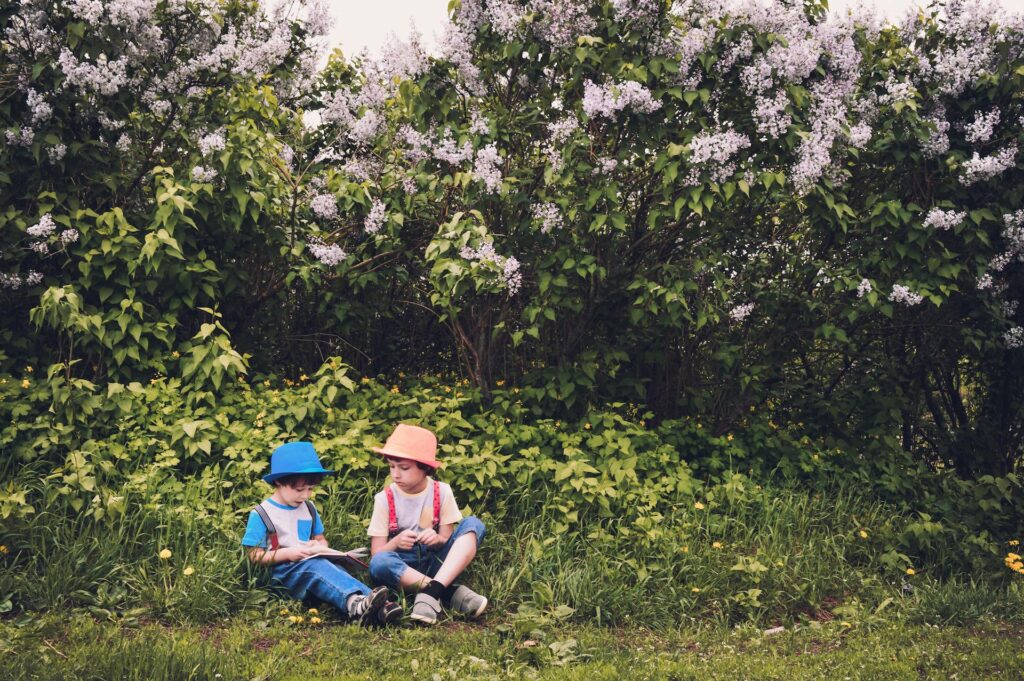
Whenever summer rolls around, many parents with children on the autism spectrum start worrying. They want their child to enjoy the good weather, but they also know that the outdoors can be dangerous and stressful for a child with autism. Brought to you, courtesy of The Cisco Center, below are three simple additions you can make to your backyard to turn it into a safe and accessible space for your child to enjoy.
Sensory Garden
Children with autism benefit from a stimulating sensory environment with plenty of different things to smell, see, taste, and touch. A garden is perfect for this since there are essentially endless possibilities for your child to explore. If you don’t have a garden in your yard, enlist the help of land grading services to give you a level surface to plant. Then you’ll be able to craft the ideal garden, such as a sensory garden — one that is specifically designed to contain as many different sensations as possible.
- Smell – Plant fragrant plants like herbs and flowers. Lavender is a perfect one to plant since it is very easy to maintain and smells wonderful.
- Sound – Wind chimes are an easy way to add sound, but you can also use plants that create sound when combined with wind, like bamboo. Another option is to encourage wildlife like birds and frogs into your garden by building habitats for them.
- Touch – Create some variety in the textures of the plants, but also include things like pebbles and bark. The Spruce has a great guide to using texture in garden design.
- Taste – Plant sweet-tasting fruit like berries that your child can simply pick off the tree. Make sure to look for thornless varieties to keep them from hurting themselves.
- Sight – Make the garden as colorful and bright as possible.
To make it extra fun, why not do some gardening with your child? They may enjoy the sensation of dirt in between their fingers, or that of certain types of garden gloves, which will help them appreciate their garden even more. It is also useful to include them in the process since it can be difficult to know which sensations are pleasant for them and which are not. Take them with you to the garden store and let them guide you.
Chill-Out Zone
Another great addition to your autism-safe backyard is a comfortable place for your child to relax outside. This is especially important during the summer, as you want your child to be able to enjoy the good weather even when they don’t feel like running around.
Some parents have found that hammocks are great for backyard relaxation, as the gentle rocking and secure feeling of a hammock is soothing for their kids. Hammocks come in many different varieties as well, including those that attach to trees and ones that fit into hammock stands. You can encourage your child to read, play, draw, or do anything they like in their hammock, and define it as a safe space that’s just for them.
Secure Fencing
According to the National Autism Association, 49 percent of children with Autism Spectrum Disorder are prone to wandering or bolting from safe environments. This can be incredibly stressful for parents, especially as unsupervised play is an important part of child development as they get older.
The best way to ensure you can leave your child alone in the garden to play is to install secure fencing around the perimeter of your backyard. Make sure they can’t climb or jump over it and that there is a secure lockingmechanism. This keeps children safe while also letting them enjoy the outdoors at their own pace. Not to mention the importance of giving you some peace of mind. For fencing and any other home improvements you complete, make sure you document the work done. Certain projects can boost your home’s value if you ever decide to sell.
Children on the autism spectrum can benefit just as much from playing outside as their peers. You just need to tailor your backyard to their needs so that it is a secure, relaxing, and stimulating space in which they can explore, play, and wind down in complete safety.
This article is brought to you by The Cisco Center, where our goal is to develop happy, socially well-adjusted children. At the Center you will find a nurturing, educational environment for children of all ages. Our specialty is working with students diagnosed with autism, developmental disabilities, speech/language disorders, and learning disabilities. For more information, contact us today at 410-647-1503!