If you’re the parent of a special needs child, you likely want to do all you can to ensure their health and happiness. One point you may worry about is your child’s ability to socialize with other people. You want your little one to be able to interact with others practically on a day-to-day basis and to enjoy emotionally fulfilling relationships with other individuals, like rewarding friendships. The good news is that there are many simple steps you can take to help your child master everyday social skills. This guide lays out some things you can do as a parent to help your special needs child develop social skills and provides some resources to help.
Start by teaching social skills at home
Social skills are first learned at home, well before kids head off to school. There are many small steps you can take to start improving your little one’s social skills. For example, kids who struggle with eye contact can have fun improving with staring contests. There are also toys that can help with social development, as well as books that teach children with special needs how to effectively interact with others. Helping your child learn idioms can also be useful, allowing them to understand that these figures of speech aren’t meant to be taken literally. This is something that some special needs children, such as those with autism, may struggle with on a day-to-day basis.
Look for opportunities to put social skills into practice in the real world
Once you’ve started teaching your children some basic social skills at home, look for ways for them to practice their newfound abilities. There are many real-world scenarios you can explore as a family, like going to a cafe or restaurant. This guide tells you how to make sure your trip is a success, covering everything from advanced preparation to what to do if your child becomes overwhelmed by the new surroundings. According to Little Rock Family, kids can learn many social skills while dining out, such as speaking up, confidence, eye contact, social cues, small talk, and manners. For example, just sitting and waiting for a meal to arrive after it’s been ordered is a great lesson in patience.
Find programs to support your child’s social development
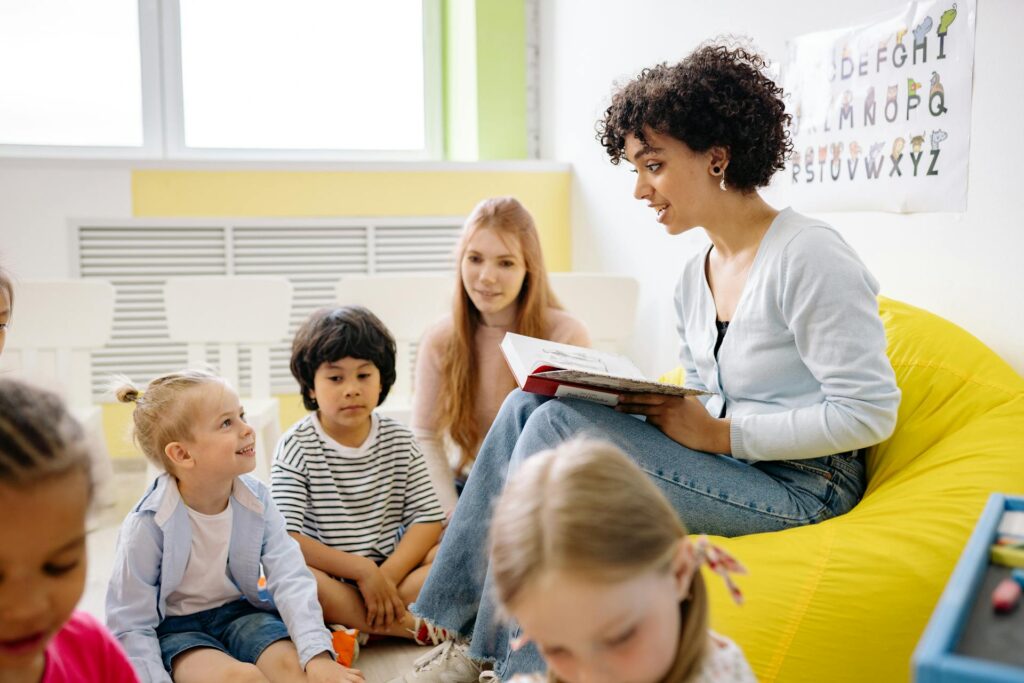
As your child gets older, look for other opportunities to immerse them into social settings. For example, The Cisco Center serves families and kids with special needs, providing opportunities for interaction. These kinds of environments give kids the chance to get to know other children and play with them. Simply playing games can be a great way to improve social skills. For example, board games can help improve social communication and enhance traits like patience, listening, and observation. If you enroll your child in any kind of school or educational program, make sure the program administrators have relevant information, like their health info and your contact details. You can use document management tools to organize paperwork, for example by separating pages in your PDF.
Seek support to help you on your journey
As the parent of a special needs child, there’s plenty you can do to help your little one learn social skills. However, you will face hurdles on the way. It can be helpful to have a solid support network. For example, enrolling your child in schools or programs for special needs kids allows you to connect with other parents who understand the challenges you face day- to-day. You can also find networks online that allow you to connect with other parents. Bayada provides a comprehensive roundup of organizations you may want to look into, such as Mommies of Miracles, Different Dream, and Nancy’s House.
Raising a special needs child can be very rewarding. However, it does require extra attention as a parent—for example, when it comes to teaching your child social skills. The above guide provides some tips to help.
Learn more about our programs that can help your special needs child.